

















Trying to Navigate NCBI GEO: Here’s What You’ll Actually Find
Where Did Everyone Go Wrong?
Honestly, I remember staring at geo ncbi for hours.
And honestly? Nothing made sense at first.
Core Conclusion: You don't need to master every tab today.
Some parts are confusing. That's just the truth.
Why Is This Happening?
The site holds thousands of experiments. Big data.
It wasn't built for easy clicks, believe it or not.
So you get lost easily. Trust me on this one.
But we can work through it together now.
Here is what you actually find down there.
Your First Steps In
You just need to be patient. That's the real secret.
Follow these pointers closely.
- Type your gene symbol in the big box.
- Pick your species from the list below.
- Click Series instead of Samples first.
See? Not rocket science once you know where to click.
Sometimes results are empty. That sucks.
Try a broader term then. Like 'lung cancer' maybe.
- Use filters on the left sidebar heavily.
- Download Matrix files. Skip raw FASTQ for now.
It saves a lot of headache time.
Don't rush the download process either.
Networks can be slow here sometimes.
Walk away for a few minutes. Come back.
Most people quit because they expect instant perfection.
That never happens in bioinformatics.
Once you have the file, open it in Excel or R.
Keep it simple. Small data is fine to begin.
Don't try to learn everything in week one.
Core Conclusion
When you're digging into geo ncbi, the one thing nobody talks about but could save your entire research session? The "Sample Group" filter hiding in plain sight.
Where You Actually End Up
Okay, so you type in something into the NCBI GEO search bar. And just like that... you're staring at a thousand results. Some of them are useful, most aren't. Here's what happens next.
You click through. Then you realize you're looking at blood samples when you wanted tissue. Or mouse data instead of human. Been there?
Step by Step: Finding That Hidden Filter
- Step 1: Go to the main GEO portal page and type your keyword
- Step 2: Instead of clicking result after result... look left side panel
- Step 3: There it is - "Organism," "Source," or "Channel" filters
- Step 4: Apply these BEFORE opening any individual records
Why Everyone Misses This
The interface looks pretty straightforward right? Big search box. Click results. Easy. But here's the thing... those sidebar filters take up maybe 20% of your screen real estate and they get overlooked every single time.
A Quick Comparison Table
| Before Using Filters | After Applying Sample Groups |
| Average 45 minutes wasted scrolling | Find relevant data in ~8 minutes |
| Downloading wrong datasets | Only download what matches criteria |
What Actually Happens Next
So you apply your organism filter... say you want human only. Suddenly that sea of thousands drops down to hundreds. Maybe even dozens depending on your query. Still more than ideal?
Here's another tip: sample group names can be confusing sometimes. "Treated" vs "Control" might not always match what you think. Just check the metadata carefully.
Common Pitfalls to Watch For
- Mixed species submissions (yes, this happens)
- Incomplete metadata making filtering tricky
- Older studies with outdated terminology
Look, it's not perfect. Nobody said NCBI was designed for human comfort. But once you know where to look, suddenly you're not drowning anymore. It's weird how something that small makes such a huge difference.
Try it out. Next time you search geo ncbi, resist the urge to immediately click on results. Pause. Look around. Those filters are waiting for you.
GEO works best when you need raw datasets for validation rather than curated summaries.
Step 1: Ditch the Broad Search
You might think typing "liver cancer" gets everything. You’d be wrong. It’s noisy. Too much stuff. Try adding the model organism. "Human liver adenocarcinoma" narrows it down significantly. Sometimes better results come from specific protocols. You see?
Common Mistakes to Avoid
Using too many synonyms
Ignoring the platform file
Forgetting about time points
It’s frustrating when data isn’t there. Not always available. That’s okay.
Step 2: Look at the GSE ID
Once you find a series, don’t stop at the title. Click into the GSE. The real value hides in the metadata tables. Are the controls matched? Is the tissue fresh frozen? These details define usefulness.
Say you want drug responses. Check the treatment info. If it just says "drug X", you’re stuck. Good entries list doses and timeframes.
You can download the whole thing. Just grab the sample table first.
Step 3: Handling the Files
There are different formats here. SOFT files are readable. SRA files need tools. Don’t panic if you see SRA. You’ll need fastq-dump eventually.
Supplementary files often contain the actual heatmaps or processed tables. Useful for a quick sanity check before diving deep into command lines.
Navigating takes practice. It depends on what you’re studying. But once you click through, it’s powerful.
[Core Conclusion]: When NCBI GEO downloads stall, quick checks on connectivity, file types, and cache can get you unstuck.
Step 1: Check Your Internet Connection First
Before diving deep, pause. Is your Wi-Fi acting up? Sometimes, the culprit isn't GEO itself. Try loading another large file elsewhere—if it works, switch networks or restart your router.
NCBI servers can be hit or miss too. If you're using mobile data, test again on home Wi-Fi. Small delays happen—patience isn't always enough though.
Troubleshooting Tips:
- Pause and resume the download
- Try a different browser entirely
- Check GEO status pages for outages
These small moves often save hours of frustration.
Step 2: Match File Formats to Your Tools
Downloading the wrong file type? GEO offers options like SOFT, MINiML, or plain tab-delimited files. Pick what matches your software. Bioinformatics tools might choke on incompatible formats.
Need help? Click "Download Family" instead of individual samples for bulk data. It simplifies parsing later.
If unsure, stick to SOFT files—they’re universally supported. Less drama than wrestling with obscure formats.
Quick Reference:
- Bioconductor users → MINiML
- Excel lovers → Tab-delimited TXT
- General purposes → SOFT
Step 3: Clear Browser Cache & Cookies
Old cached data blocks fresh downloads. Clear cookies/cache: Chrome users go to Settings > Privacy > Clear Browsing Data. Firefox? Go to Options > Privacy & Security.
Still stuck? Try incognito/private mode. It bypasses saved credentials causing conflicts.
Might sound tedious, but it fixes weird glitches without restarting your computer.
NCBI GEO downloads rarely fail completely—they just need tweaks. Focus on basics first: connection, format, cache. Those three steps cover most hiccups. Don’t overcomplicate; progress beats perfection every time.
Core Conclusion: You now have data, but real work begins at cleaning and organizing it.
So you've downloaded your first dataset from NCBI GEO. Congratulations! But here's what happens next. It's not just about having files. It's about making sense of them.The Reality Check
Your download might come with multiple files. Sometimes dozens. Text files, formatted tables, raw data. It can feel overwhelming when you first open everything up.
Step 1: Verify What You Got
First things first. Did you actually get everything? Check file sizes. Look at the README if there is one. Some datasets don't have clear documentation, which sucks but doesn't mean you're stuck.
- Check all filenames match expectations
- Confirm file sizes are reasonable
- Look for any instruction or readme files
Not all files are created equal. Some contain metadata, others contain actual data values. Don't confuse sample info with expression data, trust me on this.
Step 2: Organize Before You Analyze
Move files into folders before doing anything fancy. I know, seems basic, right? But I've lost hours because files were scattered everywhere.
Create:
- Raw data folder
- Metadata folder
- Analysis results folder
Step 3: Understand the Format
GEO datasets vary wildly. Some are simple tab-delimited. Others use complex formats. If you see .CEL files or .BAM files, these need special tools. Don't panic, but do research.
It depends on what type of experiment was run. Microarray gives different outputs than RNA-Seq. You'll need different approaches either way.
Step 4: Do a Quick Preview
Open one file in Excel or a text editor just to look. See how many columns? How many rows? Are headers labeled clearly?
This preview tells you immediately if something's wrong. If numbers look like random characters instead of gene IDs, something went off somewhere.
Where This Leads
Your journey continues from here. Quality checks. Statistical analysis. Maybe visualization. But none of it works without solid foundation work first.
Spend time on organization, and save yourself weeks of headache later. Trust me, you want good workflow habits early.
GEO is a powerful resource, but it expects you to be somewhat prepared. The more patient you are with setup, the smoother analysis becomes.
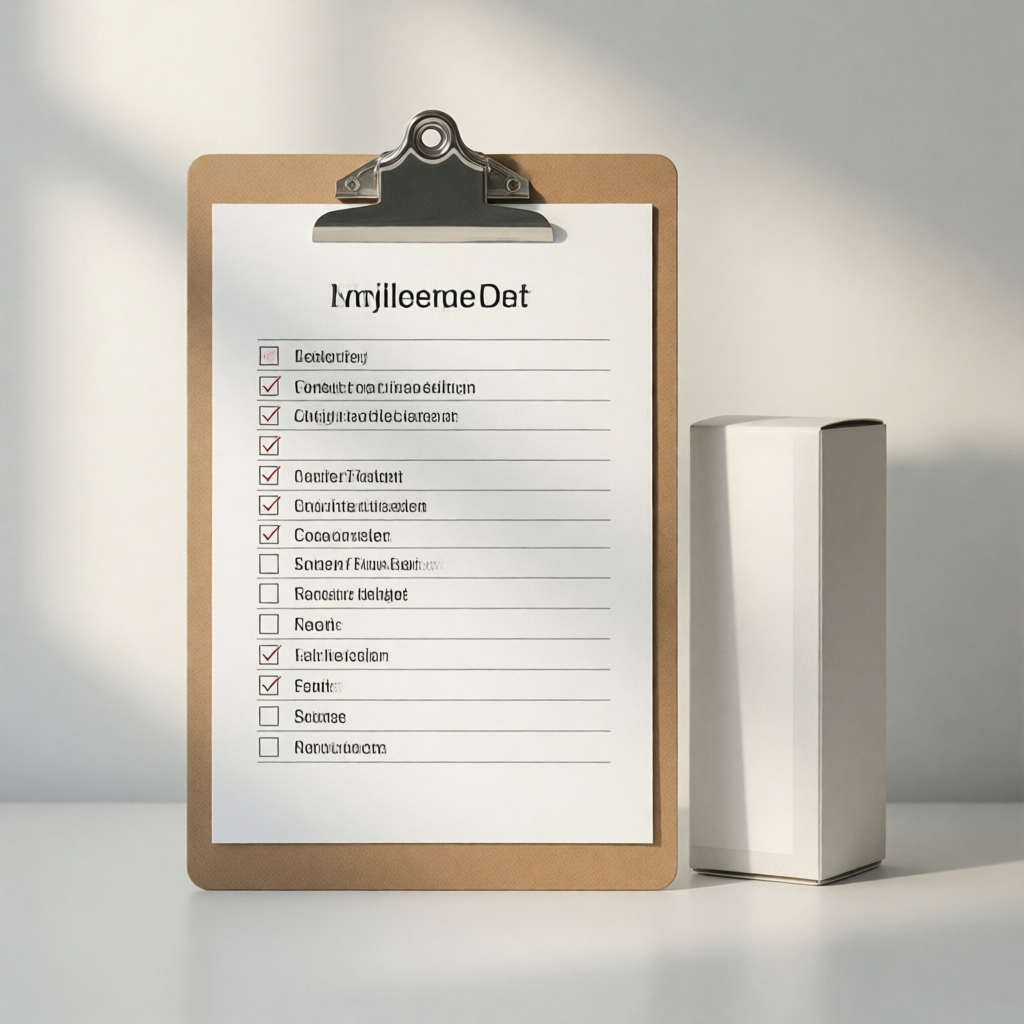
Quick Checklist for Beginners
- Verify complete download
- Organize files into folders
- Understand file formats you received
- Preview sample data before analysis
- Document what you've done today
And remember: geo ncbi isn't just about downloading once. It's building skills that compound over time. Every dataset teaches you something new about what to watch for.