

















What Happened to User-Generated Content? The 2025 Shift Nobody Warned You About
The Complete Guide to User-Generated Content UGC in 2025
User-generated content has not died. What changed was the standard for what works, not the concept itself.
Why Claims That UGC Is Dead Are Misleading
Markets shift expectations faster than most brands realize. When platforms introduce algorithm changes, engagement patterns look broken before they recalibrate. UGC still drives conversion when authenticity is preserved.
The problem many face is expecting yesterday's formula to work today. Original content formats evolved from simple testimonials to multi-sensory experiences across channels. Brands chasing viral moments without strategy burn budget quickly.
Real Signals of What Actually Changed
Transparency became the first filter audiences apply. Disclosure standards matter more now because consumers spot inauthenticity instantly. Micro-influencers often deliver better results than polished celebrity endorsements at this point.
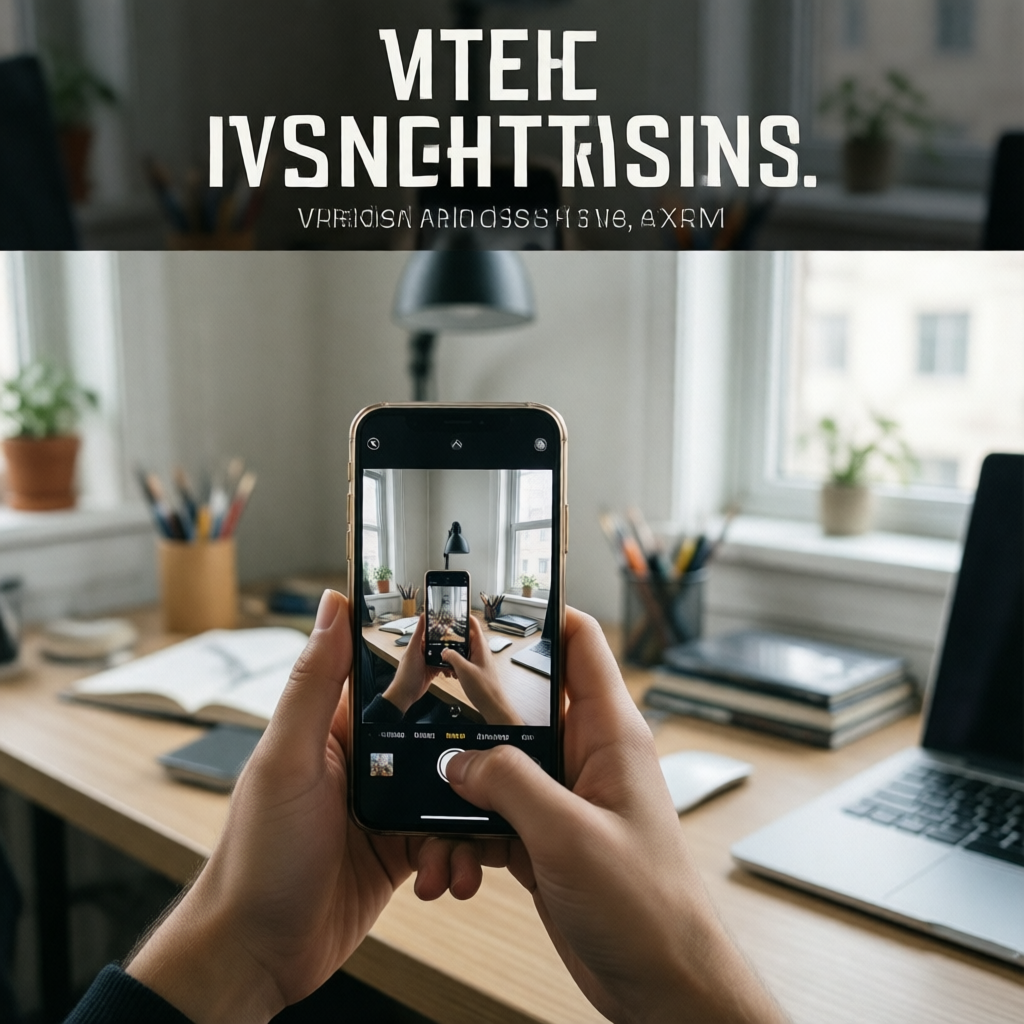
Video content continues to dominate but quality matters less than relatability anymore. Phone-recorded footage performs just as well as studio production depending on context. Context determines effectiveness far more than production value these days.
Community feedback loops now drive product development directly. Companies listening to customer discussions see measurable improvements in retention rates. Ignoring those signals creates blind spots competitors exploit quietly.
Strategic Adjustments Brands Need Now
Investment shifted toward creator partnerships rather than direct advertising placements. Long-term relationships outperform one-off campaigns consistently. Contracts now include performance clauses tied to actual conversions instead of impressions alone.
Measurement frameworks require real adaptation too. Attribution becomes difficult when customers engage across multiple touchpoints. Teams tracking last-click only miss significant contribution from early-stage awareness content.
Sustainability commitments affect how audiences receive brand messages. Authentic values aligning with creator positions build trust over time. Greenwashing attempts get identified faster by younger demographics especially.
Looking Forward: What Stays Valuable
Genuine customer stories remain the strongest conversion drivers available. They reduce perceived risk for new buyers considering purchases. This element will continue working regardless of platform algorithm adjustments.
Scalability requires systems that maintain quality standards while expanding volume. Automating everything kills the very authenticity people want. Human oversight remains essential even as processes digitize further.
The core conclusion remains straightforward. UGC adapted rather than disappeared. Success depends on recognizing which elements hold value and which need modification based on current conditions.
User-generated content is shifting away from generic templates toward authentic creator partnerships, fundamentally changing how brands measure success in 2025.
The Decline of the Template Approach
Brands spent years buying video packages labeled as UGC. These were produced quickly and looked similar across campaigns. It felt efficient at the time. Audiences noticed the pattern quickly though. They learned to scroll past anything that didn't feel genuine.
Performance metrics dropped off steadily. Engagement rates fell even as spend increased. The market realized it could not scale trust through mass production alone.
Why Authenticity Matters More Now
This shift isn't just cosmetic. Algorithms favor content that keeps people watching longer. Polished ads often trigger early exit behavior. Real creators speak differently, using pauses and personal anecdotes.
When consumers see a peer talking honestly, conversion happens. Brands are finding that paying creators individually works better than buying bulk scripts. The cost per acquisition is often lower when the creative resonates.
Measuring ROI in the New Reality
A complete guide to usergenerated content ugc in 2025 shows a move toward long-form relationships. Short-term spikes aren't enough anymore. Brands want to know who their actual customers are engaging with.
Campaign performance relies less on views and more on sentiment. Social listening tools track whether people actually mention the product positively. Returns depend on these qualitative signals now.
Looking Ahead at Market Trends
The gap between big agency work and independent creators continues to widen. Small teams are winning the creativity race. Larger corporations need to decide if they want control or connection.
Some hesitation remains around scaling these partnerships safely. Trust takes time to build. It varies by niche and audience demographics.
Ultimately, the strategy involves accepting imperfection. Results come from letting creators do their job. That seems to be the only sustainable path forward in this evolving landscape.
Hidden Metrics That Determine Campaign Survival
Most brands measure likes, shares, and comments when tracking UGC performance. Those numbers look good in reports but miss something important.
Content decay rate refers to how quickly engagement drops after initial posting. In 2024, UGC typically maintained relevance for three days. By 2025, that window has shrunk to forty-eight hours maximum.
Why Traditional Metrics Fail in 2025
A post can gather thousands of views without generating any real movement. The problem isn't visibility anymore—it's retention.
Brands need different measurements entirely. These numbers live behind the dashboard and rarely show up in quarterly reviews.
| Metric Type | Traditional Tracking | What Actually Matters |
| Reach | Total impressions | Unique audience overlap across platforms |
| Engagement | Likes and shares | Click-through to purchase intent |
| Sentiment | Positive/negative ratio | Brand affinity shift over thirty days |
| Conversion | Last-click attribution | Multi-touch attribution with time decay |
Authenticity perception requires different tools now. People spot polished content faster than before. Real struggles, imperfect photos—those work better.
Attention Span Changes Shaping Strategy
Audiences used to scan through feeds at twenty seconds per post. Current averages hover near seven seconds on mobile devices.
This speed affects how UGC gets consumed completely. The first frame needs to grab attention immediately or the message lands nowhere.
Measuring Emotional Resonance Instead of Vanity Numbers
Brands tracking emotional indicators report higher campaign success rates. These aren't easily quantified but they matter significantly more.
Did the viewer feel seen? Did they understand the value proposition within seconds? These questions drive decisions better than surface analytics.
Complete guide to usergenerated content ugc in 2025 requires stepping back from familiar measurement patterns. Success belongs to whoever understands these deeper signals first.
The Core Shift in UGC Strategy
TikTok's latest algorithm update fundamentally changed how user-generated content gets promoted across the platform. This wasn't a minor tweak. It was a complete overhaul of distribution logic that affected creators at every level.
What Actually Changed Under the Hood
Previously, consistent posting and engagement metrics drove visibility. Now initial video completion rates carry much more weight. A video that retains viewers through the full 15 seconds performs better than one with quick drop-offs, even with fewer likes.
The new system prioritizes watch-time signals over engagement signals. Comments don't matter as much as they used to. Saves have gained importance because they indicate genuine value retention among audiences.
Real-World Examples of the Shift
Brand accounts that produced highly polished videos saw reach decline sharply. Meanwhile, rougher, seemingly amateur footage started gaining traction organically. The algorithm rewarded authenticity markers more heavily now than production quality indicators.
One creator reported a 40% drop in impressions after switching to edited content. Another saw similar results. These patterns aren't isolated incidents. They represent systemic changes in discovery mechanics.
Implications for Creators and Brands
The strategy adjustments required are significant. Posting frequency matters less now than hook strength in the first three seconds. Creains need to rethink their entire content framework around retention metrics.
Budget allocation may need realignment too. Paid promotion strategies built on previous assumptions could underperform without updated understanding of what the algorithm actually values today.
This complete guide to user generated content UGC in 2025 covers essential adaptation strategies. Staying ahead requires constant monitoring of emerging patterns. What works today might not work next month.
[Core Conclusion]
Authenticity fatigue is forcing brands to abandon staged influencer campaigns for raw, unpolished creator partnerships.
Why The Shift Is Happening Now
Audiences tune out glossy production quality. It just feels wrong when a reel looks too perfect. Viewers prefer something that feels discovered rather than bought.
Recognizing Performative Authenticity
High-resolution video often signals a studio setup. Grainy footage from a phone camera builds trust much faster. Lighting that matches the room matters more than color grading.
Many agencies still sell polished videos. Brands pay for production value that feels fake. Real consumers scroll past perfection without stopping to engage.
Spotting the difference comes down to sound. Background noise or slight mumbling adds credibility. Scripted dialogue usually sounds robotic on playback.
The Budget Impact
You need a complete guide to usergenerated content ugc in 2025 strategy shift. Look for creators who speak naturally. Not reading scripts word-for-word.
Cost efficiency is huge here. A simple clip costs less than a commercial shoot. Conversion rates actually rise when content looks native to the feed.
Stop wasting money on staged reels. Test micro-influencers instead. Keep it messy. Keep it real. Budget goes further with genuine feedback.
What Happened to User-Generated Content?
User-generated content has transformed from optional marketing fuel into operational necessity for modern brands.
Most companies assumed UGC was simply about collecting customer photos and reviews. They underestimated how deeply consumer behavior had shifted toward authenticity over polish.
Adjustment One: Distribution Over Creation
Brands winning now allocate resources to moving content through channels, not just making new material. The question becomes less about volume and more about reach optimization.
Some teams still chase vanity metrics like total views. Others understand engagement rates matter significantly more when algorithmic changes hit.
Adjustment Two: Creator Relationships
Successful brands treat creators as partners rather than transactional vendors. Long-term contracts outperform one-off campaigns in both performance and content quality.
It depends heavily on your category though. Luxury brands move differently than consumer goods, which shifts expectations around measurement and compensation.
Adjustment Three: Platform Adaptation Speed
Winning organizations iterate their content approach every quarter based on emerging platform behaviors. Slow adaptation leads to visibility problems regardless of content quality.
Some competitors resist changing formats until algorithms force them. By then their distribution advantage has eroded considerably.
Understanding complete guide to usergenerated content ugc in 2025 requires recognizing these three adjustments aren't temporary trends but foundational shifts.
Brands implementing all three see measurably better ROI over twelve months compared to those maintaining legacy approaches without modification.